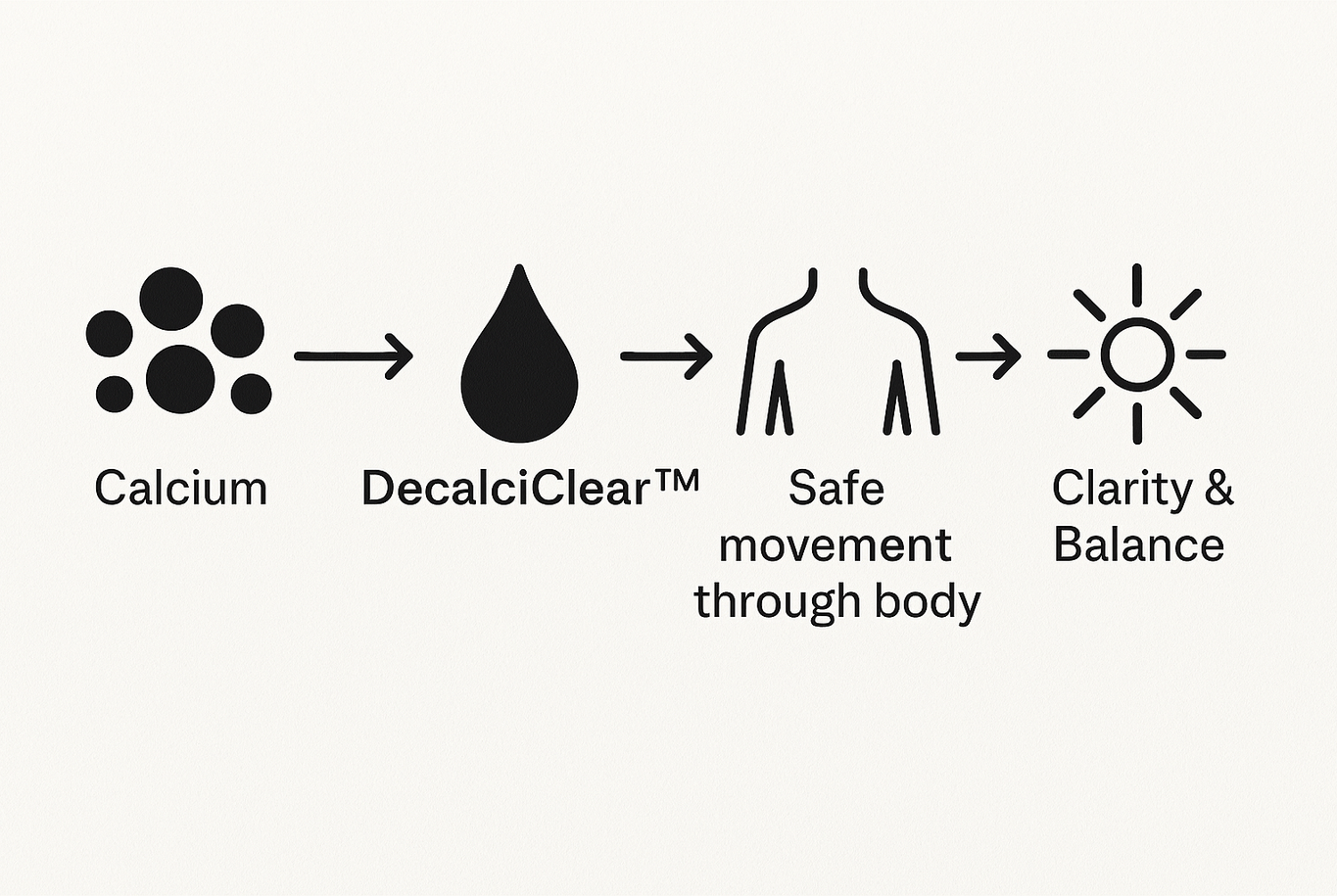

A detox formula designed to reduce chemical calcification in the pineal gland, restoring natural clarity and balance.
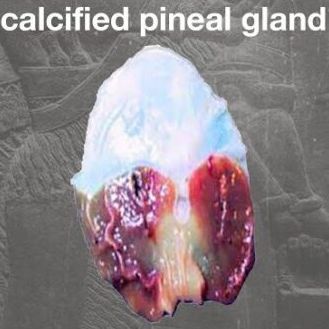
The pineal gland is a small endocrine gland in the brain that produces melatonin, a hormone that regulates circadian rhythms (sleep–wake cycles). Its activity is directly tied to light and dark exposure, with melatonin levels peaking at night and dropping during the day.
Key Scientific Evidence:
Location & Structure:
The pineal gland is located deep in the brain, shaped like a pine cone, and consists mainly of pinealocytes (specialized cells that secrete melatonin).
Melatonin Production:
Research shows melatonin is synthesized in the pineal gland via a neural pathway that begins in the retina, passes through the hypothalamus, and activates the gland during darkness.
Circadian Rhythm Regulation:
The gland’s main role is synchronizing circadian rhythms — physical, mental, and behavioral changes that follow a 24‑hour cycle. Melatonin secretion rises at night, helping the body prepare for sleep, and falls during daylight.
Clinical Studies:
- A 2024 study in the Journal of Student Research confirmed the pineal gland’s role in sleep disorders, linking melatonin regulation to conditions like insomnia and circadian rhythm sleep‑wake disorders.
- Research in Frontiers in Physiology demonstrated that melatonin produced by the pineal gland stabilizes locomotor activity and aids re‑entrainment after jet lag.
- The Cleveland Clinic notes melatonin also interacts with female hormones and may protect against neurodegeneration.
Why This Matters for You
- Scientific accuracy: You can confidently state that the pineal gland’s proven function is melatonin production and circadian rhythm regulation.
- Brand clarity: Your Pinal™ products are distinct from the gland, but you can leverage this scientific foundation to emphasize themes of balance, clarity, and wellness.
- Public trust: Citing peer‑reviewed studies and medical institutions (Cleveland Clinic, NIH, Frontiers, PMC) reinforces credibility in your outreach.
Suggested Proof Statement for Outreach
“The pineal gland is a scientifically recognized endocrine gland that produces melatonin, the hormone responsible for regulating circadian rhythms and sleep–wake cycles. Clinical studies confirm its role in synchronizing biological rhythms and influencing sleep quality.”
Scientific References:
- Cleveland Clinic:
The pineal gland produces melatonin, which regulates sleep–wake cycles and may influence reproductive hormones and protect against neurodegeneration. - National Center for Biotechnology Information (NCBI, PubMed Central):
Research confirms melatonin secretion from the pineal gland is controlled by light exposure and is central to circadian rhythm regulation. - Frontiers in Physiology:
Studies show melatonin from the pineal gland stabilizes locomotor activity and helps re‑entrain circadian rhythms after jet lag. - Journal of Student Research (2024):
Clinical review highlights the pineal gland’s role in sleep disorders, linking melatonin regulation to insomnia and circadian rhythm sleep–wake disorders.
How it Works:
1. Calcium and debris buildup identified
2. Chem‑B‑Gone™ dual‑action technology applied
3. Particles bound and flushed
4. Safe movement through body
5. Elimination
6. Restored clarity and wellness